Gardening Services in Knightsbridge

Gardening Services in Knightsbridge should feel orderly, discreet and well matched to the character of the property. Our work covers regular garden care, precise plant management and practical outdoor tidying for homes and managed buildings that need a dependable standard of presentation. We keep the focus on the main service: maintaining and improving gardens with clear attention to condition, structure and finish, rather than overcomplicating the job with unnecessary extras.
Whether the outdoor space is compact, established or part of a shared setting, we can handle ongoing maintenance and one-off visits with an approach that is straightforward and measured. We work across common garden tasks such as lawn care, hedge shaping, planting support and light clearance, always aiming for neat results that suit the space rather than forcing a one-size-fits-all routine. If you need a practical quote, start with what the garden needs most now and we can take it from there.
Some clients want a regular pattern of care, while others only need help restoring order after growth has got ahead. In either case, our service is built around visible improvement and sensible upkeep. Careful planning, tidy finishing and clear communication are the basics that make the work easier to arrange and easier to maintain over time.
Routine garden maintenance
Routine garden maintenance is the backbone of many outdoor spaces, especially where planting, borders and lawn areas need attention throughout the year. We can support a schedule that keeps growth in check, reduces the risk of the garden feeling untidy and makes larger seasonal work more manageable. A steady maintenance plan usually combines several simple tasks, each chosen to suit the condition of the site and the level of finish expected.
That may include light weeding, trimming around edges, leaf clearance, deadheading and keeping paths and access routes presentable. Where lawns are part of the layout, mowing and edging help the space stay defined, while border work keeps beds from becoming crowded or unruly. If you already know the kind of upkeep required, a brief enquiry is usually enough to help us understand the scope before a quotation is prepared.
What regular upkeep can cover
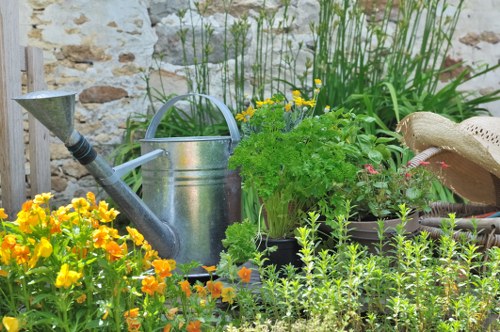
Regular care is most useful when it is practical and consistent. For many gardens, the aim is not a dramatic transformation every visit but a reliable level of presentation that prevents small issues from becoming larger ones. That can mean seasonal tidying in the spring, controlled trimming during active growth and a sensible autumn clean-up when fallen material starts to build. We can also work around the way the garden is used, so maintenance fits the property rather than interrupting it unnecessarily.
Lawn care and edging
Lawns often set the tone for the rest of the garden, so we treat mowing, trimming and edging as a practical service rather than a quick cut and leave job. A clean finish depends on even attention to the surface, the boundaries and the transition between turf and beds or paths. When a lawn has become uneven or overgrown, the first visit may need more time than follow-up maintenance, especially if the grass has been left for a while.
We can support lawns as part of broader garden care or as a specific request where the grass area needs the most attention. Depending on the space, work may include cutting to a suitable height, refining edges, removing clippings where needed and keeping the surrounding areas neat. Good lawn care is not only about the cut itself; it is also about making the whole area look deliberate, tidy and easy to keep in order.
For properties with mixed planting and hard landscaping, edging can make a noticeable difference because it helps the garden read clearly. If the lawn needs extra work, such as recovering from neglect or being brought back into shape after a period without attention, we can discuss the right approach before the visit. That keeps the task realistic and avoids promising a result the site cannot support in one pass.
Hedge trimming and shaped growth
Hedge trimming is important where planting forms boundaries, screens or formal shapes that need to stay neat through the season. A hedge can quickly lose its line if growth is allowed to spread unevenly, so regular cutting helps preserve both appearance and function. We can trim hedges to reduce bulk, sharpen the outline and keep them from encroaching into paths, entrances or neighbouring planting.
The right approach depends on the hedge type, its condition and the result wanted. Some need only light shaping, while others need fuller reduction to restore a manageable size. We work carefully where structure matters, especially when a hedge is meant to look crisp rather than natural. If there are mixed heights, awkward edges or access limits, those details are useful when asking for a quotation because they affect the time and method needed.
Hedge work can also be part of wider garden maintenance where shrubs and boundary plants are close together. In those settings, a neat finish comes from balancing the cut with the surrounding growth, so the space still looks balanced rather than stripped back. Measured trimming is usually better than heavy cutting for plants that are already part of the garden’s shape.
Clearance, tidy-ups and green waste
Not every garden need is about planting or routine trimming. Sometimes the priority is a proper tidy-up after leaves, cuttings, fallen growth or unwanted material has built up. Garden clearance can help restore order when an outdoor space has become difficult to manage, and it is often the quickest way to make a neglected area usable again. The exact scope may range from removing loose debris to clearing heavier overgrowth in selected sections.
This type of work is useful where access needs to be reopened, beds need to be seen clearly or the garden has become cluttered with a mix of organic waste and general outdoor mess. We approach clearance with a practical eye, separating what needs cutting back, what can be collected and what should be removed entirely. Where the volume of waste is significant, that should be mentioned at the outset so the enquiry can be assessed properly.
- Removal of cuttings and leaf fall
- Light clearance of overgrown areas
- Tidying borders, paths and access routes
- Collection of garden waste for disposal
Planting, borders and seasonal improvement

Planting work can bring structure and colour to a garden, but it needs to be handled with care so the result suits the existing space. We can support border refreshes, simple planting changes and practical improvements that help the garden look more intentional. This may involve replacing tired plants, adding new seasonal interest or adjusting the layout so the beds feel less crowded and easier to maintain.
Borders often benefit from a combination of light cultivation, weed control and selective planting rather than a complete overhaul. Where the garden already has a style, we aim to work with it instead of replacing it. The choice of plants, spacing and finishing touches all influence how quickly the space settles in and how much future upkeep it will need. A considered plan is especially useful when the garden is part of a larger property and the finish needs to look consistent.
Seasonal improvements can also be modest and effective. A few well-judged changes to planting, edging or bed definition may be enough to lift the whole space. That is often the best route when the client wants a cleaner, fresher look without major redesign. If you would like help deciding whether to improve the border layout or simply maintain what is already there, we can discuss that before any work is arranged.
Landscape gardening and practical improvements
Landscape gardening is broader than routine maintenance because it can involve changing the shape, function or finish of the outdoor area. Some projects are modest, such as redefining beds or adjusting the layout of a small garden. Others may involve a more noticeable redesign of the usable space. The key is to keep the work practical: the layout should suit the way the garden will actually be used, not just look good on paper.
We can support improvements that make a garden easier to maintain and more coherent in appearance. That may include reshaping borders, introducing better definition between planting and lawn areas, or making sure the hard and soft parts of the garden work together. Thoughtful landscaping usually succeeds when it respects the limits of the site and the preferences of the owner, so the result remains manageable after the work is complete.
If a project includes several stages, it helps to separate what must be done first from what can wait. For example, clearance may need to happen before planting, and boundary shaping may need to come before detailed finishing. A clear sequence saves time and reduces confusion. When you are ready to explore the options, a brief description of the garden and the outcome you want is enough to begin a quotation.
About Knightsbridge
Knightsbridge is an area in west-central London, closely associated with high-end retail, elegant residential streets and some of the capital’s best-known public spaces. It sits beside Hyde Park and is linked with the wider landscape of central London through major roads and well-used Underground stations, including Knightsbridge and South Kensington nearby. The district’s identity has been shaped by centuries of change, from rural outskirts to a dense and affluent urban neighbourhood. Much of its built character comes from Victorian and later development, with terraces, mansion blocks and grander properties standing alongside embassies, hotels and flagship shops. Harrods, one of the city’s most famous department stores, is a major landmark in the area, while nearby Brompton Road and Sloane Street are closely associated with luxury retail and prominent architecture. The presence of Hyde Park and Kensington Gardens gives the district immediate access to large green space, tree-lined walks and open views that contrast with the surrounding streets. Museum quarter institutions, including the Natural History Museum and the Victoria and Albert Museum, sit within easy reach of the wider district and reinforce its cultural significance. Knightsbridge is also notable for its international profile, with a mix of residential, commercial and diplomatic uses that creates a distinctive urban atmosphere. Despite its global reputation, the area still contains quieter mews streets and residential pockets where the older fabric of London can be seen in the scale and detail of the buildings. That combination of formal urban character, valuable open space and historic depth makes it one of the most recognisable parts of central London.
How to plan a quotation
A good quotation starts with a clear view of the work rather than a vague request for “garden helpâ€. It is usually enough to explain the main problem areas, whether the priority is trimming, mowing, clearance, planting or a mixture of tasks. If there are access considerations, waste volume or areas that need particular care, those details help shape a more accurate response. The clearer the scope, the easier it is to match the work to the right level of time and effort.
Photographs can be useful, especially when a garden has several sections or when the finish needs to be judged from a distance. They do not need to be formal, only clear enough to show the layout and the main tasks. A short note about how often you would like the work carried out is also helpful if you are looking beyond a single visit. Useful information usually means the basics: size, access, condition and the kind of finish you want.
If you would like a quotation, contact us with a brief outline of the garden and the help you need. We will use that information to assess the work and respond in a practical way. There is no need to over-explain it; a concise message is often the most efficient starting point.
Service choices and site considerations
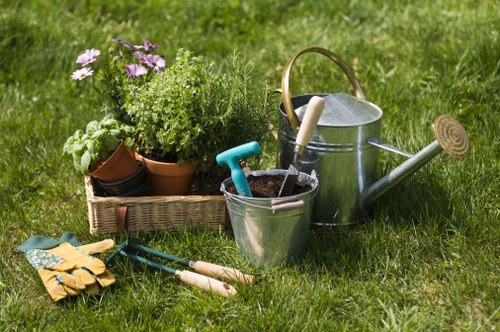
Different gardens need different levels of attention, and the most suitable service is often the one that balances appearance with maintenance needs. A formal garden may require more precise trimming and edge definition, while a softer planting scheme may benefit from light shaping and selective tidying. We can adapt the work to suit the layout, the plants already in place and the finish you want to keep over time.
Site considerations matter as well. Narrow access, shared entrances, fragile planting, sloping ground or closely packed features can all influence how the work is approached. Mentioning these details early helps avoid unnecessary delays. It also makes the planning more realistic, because the right method depends on what the space will safely and sensibly allow. Where the garden has several distinct parts, it may be better to deal with them in a clear order rather than all at once.
For some customers, the decision is between keeping a garden presentable and investing in more visible improvement. Neither is wrong; they simply serve different aims. If your priority is regular upkeep, we can focus on consistency and neatness. If you want change, the work can include practical alterations that improve the layout or the planting balance. Either way, the result should remain manageable and suited to the property.
Practical upkeep for homes and managed properties
Some outdoor spaces need to look presentable not only for the people who live there, but also for visitors, neighbours or building managers. In these settings, reliability and a tidy finish matter just as much as the specific gardening tasks. We can support homes, shared entrances and managed outdoor areas with care that respects the surroundings and keeps disruption low. The aim is a finish that looks considered rather than rushed.
Different parts of a property often call for different methods. A front area may need more frequent tidying because it is seen often, while a rear garden may need more substantial maintenance because growth is less visible until it builds up. That is why it helps to think of the garden as a set of separate tasks rather than one broad job. It allows the work to be arranged efficiently and the priorities to be clear from the outset.
If you are comparing options, look at the work that will make the biggest visual and practical difference first. Trimming, mowing and clearance often deliver that quick gain, while planting and reshaping can follow once the foundation is in order. A sensible sequence keeps the garden easier to maintain and avoids unnecessary overlap between tasks.
Requesting a quotation
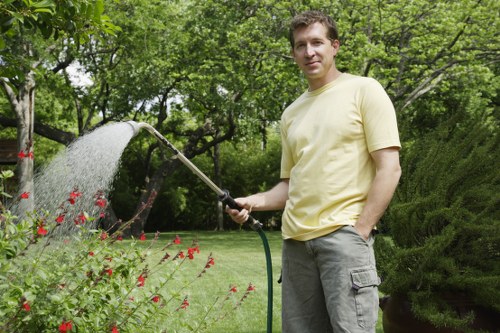
When you are ready to request a quotation, it helps to be direct about the service you want and the outcome you expect. That might be regular gardening, a one-off tidy-up, hedge trimming, lawn work or a broader improvement project. If there is a deadline or a preferred visit pattern, include that too. Clear information makes it easier to propose the right kind of work and keeps the process efficient.
We are happy to help with straightforward maintenance and more involved outdoor work where the scope is well defined. If you are unsure which service is the best fit, describe the garden in simple terms and mention the main issues. That gives us enough to understand whether the priority is upkeep, clearance, shaping or planting support. The aim is a response that is practical and easy to act on.
For a quotation, send your enquiry now and tell us what the garden needs most. A brief message is enough to start the process, and it is the best way to move from general interest to a clear plan.