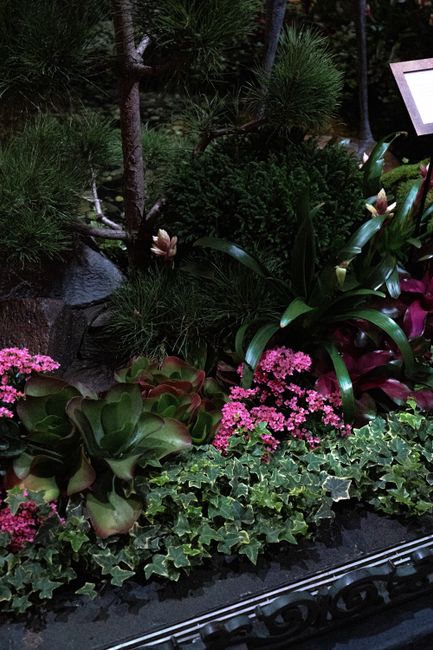
Harrods Knightsbridge gardener specialist small courtyard gardens: a practical guide to making compact outdoor spaces feel exceptional
If you have a small courtyard in Knightsbridge, you already know the charm is there - but so are the challenges. Shade from surrounding buildings, limited access, awkward proportions, and that constant London mix of dust, heat, and damp can make a tiny space feel either neglected or overworked. A Harrods Knightsbridge gardener specialist small courtyard gardens service is about more than maintenance. It is about reading the space properly, then shaping it so it feels calm, elegant, and genuinely usable.
That might mean better planting structure, smarter drainage, a quieter colour palette, or simply pruning and tidying in a way that makes the courtyard breathe again. Truth be told, small gardens are often the hardest to get right because every decision shows. The upside? Done well, they can feel exquisite.
In this guide, you will find a clear explanation of how specialist courtyard gardening works, what to expect from the process, where homeowners and property managers usually go wrong, and how to judge whether a service is the right fit. You will also find practical steps, a comparison table, and a checklist you can use straight away.
Table of Contents
- Why Harrods Knightsbridge gardener specialist small courtyard gardens matters
- How Harrods Knightsbridge gardener specialist small courtyard gardens works
- Key benefits and practical advantages
- Who this is for and when it makes sense
- Step-by-step guidance
- Expert tips for better results
- Common mistakes to avoid
- Tools, resources and recommendations
- Law, compliance, standards, or best practice
- Options, methods, or comparison table
- Case study or real-world example
- Practical checklist
- Conclusion
- Frequently asked questions
Why Harrods Knightsbridge gardener specialist small courtyard gardens Matters
Knightsbridge and the Harrods area sit in a part of London where outdoor space is often limited, highly visible, and expected to look polished year-round. A courtyard is not the kind of garden you can ignore for a few weeks and expect it to forgive you. It shows neglect quickly. A few dropped leaves, a thirsty container, or one badly chosen shrub can throw off the whole balance.
That is why a specialist approach matters. Small courtyard gardens have different needs from front gardens, terrace borders, or larger private plots. They usually have less soil volume, more reflected heat from stone and brick, tighter access, and stronger design pressure because the space is viewed from only one or two angles. You are not trying to fill land. You are trying to compose a scene.
There is also a practical side. In compact urban gardens, the wrong maintenance routine can cause compaction, waterlogging, poor air circulation, or constant replanting. A skilled gardener knows when to cut back, when to leave structure alone, and when to simplify. Sometimes less really is more. A courtyard that feels a bit too full can immediately feel smaller, while the right edit opens it right up.
If you are looking into a broader service package, the services overview is useful for understanding how maintenance, pruning, planting, and longer-term care may fit together. And if you want to know more about the team behind the work, the about us page gives useful background on the company's approach.
In practice, specialist courtyard gardening is about protecting the value of the space. Not only financial value, though that matters too. It also protects how the garden feels when you step outside with coffee at 8am and hear nothing but a distant bus and a bit of water trickling from a pot. Nice, that. Very London, in its own way.
How Harrods Knightsbridge gardener specialist small courtyard gardens Works
Specialist courtyard gardening usually begins with observation. A good gardener does not rush in with secateurs and a large plan. They look at light, access, drainage, plant health, container sizes, furniture layout, and what the space is already trying to do. That first read is vital, because small gardens often need editing before they need adding.
A typical process might include:
- Assessing sun, shade, and reflected heat from surrounding walls or paving
- Checking which plants are thriving and which are failing for a structural reason
- Reviewing drainage, watering patterns, and root room
- Reducing clutter and creating a cleaner visual flow
- Selecting planting that suits the microclimate, not just the colour scheme
- Agreeing a maintenance schedule that suits the property's use and appearance goals
That sounds simple on paper. In reality, the subtle decisions matter most. For example, a shady courtyard with a north-facing wall may need entirely different planting from a bright, enclosed space with warm brick surfaces and minimal airflow. And in Knightsbridge properties, courtyards are often close to the home itself, which means fragrance, texture, and seasonality become especially important. You feel the space more than you "use" it in the traditional sense.
Maintenance is usually tailored to the site. Some gardens need weekly attention in peak growing periods. Others only need periodic visits for pruning, feeding, checking containers, and tidying. A specialist should explain what each visit is for. If the answer is vague, that is a small warning light.
It is also worth checking operational details. If you want to understand service expectations, schedules, or the practical side of booking, you can review the terms and conditions and the pricing and quotes information. Those pages help set a clearer baseline, which is useful because no one enjoys surprises, especially not in a tight London courtyard where access may already be a faff.
Key Benefits and Practical Advantages
The best small courtyard garden work brings together design, maintenance, and practicality. It is not just about making things look neat for a week. It should make the garden easier to live with. That is the real benefit.
- Better use of space: Every inch matters in a courtyard. Specialists know how to make movement, seating, planting, and storage feel less cramped.
- Improved plant survival: Right plant, right place still matters enormously. The wrong plant in a warm, sheltered courtyard can struggle quietly for months.
- Cleaner visual lines: In small spaces, visual clutter has a big effect. A clear layout can make the garden feel twice as large.
- More reliable year-round appeal: Good structure means the space does not collapse in winter and disappear into green blur in summer.
- Lower long-term hassle: Planned maintenance reduces emergency replacement, repeated failed planting, and avoidable mess.
- Better fit for entertaining or relaxing: Courtyards can become genuinely usable if circulation and seating are considered properly.
One of the less obvious benefits is emotional. A compact, well-tended courtyard can change how a property feels when you come home. Not dramatically, not in a glossy magazine way, but in a daily-life way. You open the door, see something balanced and green, and your shoulders drop a little. That matters.
If sustainability is part of your decision-making, the company's recycling and sustainability approach can also be relevant, especially for green waste handling, plant reuse where appropriate, and more considered material choices.
Who This Is For and When It Makes Sense
This kind of specialist garden care is a strong fit for people who want the garden to feel intentional without needing to manage every detail themselves. In Knightsbridge, that often includes homeowners, residents of townhouses, property managers, landlords, and those responsible for private courtyards attached to high-value homes or serviced residences.
It makes sense if any of these sound familiar:
- Your courtyard looks tired, overcrowded, or patchy in places
- Plants keep failing for reasons you cannot quite pin down
- The space feels too dark, too hot, or too exposed
- You want a more elegant look without turning it into a maintenance burden
- You host guests and want the garden to create a good first impression
- You need regular upkeep but do not want to micromanage it
It can also be useful if the courtyard is small but architecturally important. A lot of Knightsbridge gardens are viewed from kitchens, reception rooms, or glazed doors. In those cases the garden becomes part of the interior experience. The planting, edges, pots, and surfaces all need to work together. It is basically outdoor room dressing, but with roots and rain thrown in.
If you are comparing providers, it helps to look beyond the phrase "gardening services" and ask whether they understand compact urban planting, container management, and access-sensitive work. You can also use the contact us page to ask direct questions about your own space. A short conversation can tell you a lot.
Step-by-Step Guidance
Here is a sensible way to approach a small courtyard garden project, whether you are improving it once or setting up ongoing care.
- Start with a clear purpose. Decide whether the garden should feel restful, sociable, formal, lush, low-maintenance, or seasonal. A courtyard with five conflicting goals usually ends up looking uncertain.
- Map the light and shade. Morning sun, afternoon sun, reflected heat, and shaded corners all affect plant choice. Even a narrow courtyard can have several microclimates.
- Remove or reduce what is not helping. This is the stage where clutter, tired pots, and overgrown shrubs are given a polite but firm goodbye.
- Check soil, drainage, and containers. In small gardens, too much water around roots can be just as damaging as too little. Pots and built-in planters need attention.
- Choose structure first, colour second. Evergreen framework, shape, and height should support the design before flowers do the heavy lifting.
- Plan for maintenance reality. Be honest about how much care the space will receive. A high-maintenance scheme in a busy household is asking for trouble.
- Set a schedule. Agree when pruning, feeding, watering checks, leaf clearance, and seasonal refreshes will happen.
That is the simple version. The more nuanced version is that a specialist gardener will often adjust the plan after seeing the site in person. And they should. Courtyards can be deceptive. What looks like a small, straightforward area can hide drainage issues, awkward shading, or access limitations that only become obvious once someone is on site with proper eyes on it.
A good rule of thumb: if a recommendation sounds beautifully neat but ignores daily use, it may not be the right recommendation.
Expert Tips for Better Results
Small courtyard gardens reward restraint, rhythm, and consistency. They do not usually reward drama. A few practical habits make a surprising difference.
- Use repetition with variation. Repeating a pot style or plant family can create calm, but vary height or texture so it does not feel flat.
- Watch the edges. In compact spaces, edges matter more than large sweeping views. Crisp joins, clean pots, and sharp pruning lines lift the whole garden.
- Choose containers with enough volume. Small pots dry out too quickly. Larger containers are often kinder to plants and easier to manage.
- Don't overfill the space. It is tempting to buy "one more plant." Resist. Breathing room is part of the design.
- Keep scent near seating. If the courtyard is viewed from a door or seating area, fragrance plants placed close by can make the space feel richer.
- Use evergreen structure. Courtyards that rely entirely on summer colour tend to feel empty in the colder months.
A small practical example: if a courtyard feels cluttered but you do not want to remove too much planting, start by simplifying the pot arrangement and trimming the busiest growth around the perimeter. Very often the centre becomes more generous without losing the garden's character. It is a bit like clearing a hallway before repainting the room. Suddenly everything makes sense.
Also, do not underestimate watering. Enclosed spaces can be oddly dry in summer because surrounding walls and paving warm the air. Then winter arrives and the same sheltered spot stays damp. It is not always obvious, which is why experienced gardeners keep checking instead of assuming.
Common Mistakes to Avoid
Most courtyard problems are not caused by one huge error. They come from a series of small misses. Here are the ones that turn up most often.
- Choosing plants for looks only. A beautiful plant can still be a poor fit for shade, heat, or lack of root room.
- Using too many small pots. They may look neat at first, but they often create watering headaches and a fussy appearance.
- Ignoring access. If every visit requires awkward carrying through the house or a narrow side route, maintenance becomes harder and less frequent.
- Letting furniture dominate. A compact garden can become storage with a plant in the corner if seating and pots take over.
- Neglecting drainage. Standing water in a courtyard is a warning sign, not a seasonal quirk.
- Overpruning for neatness. Some plants lose their natural shape and resilience if they are clipped too hard or too often.
Another mistake is expecting a one-off makeover to solve a long-term maintenance problem. The garden may look fantastic for a while. Then what? Without a realistic care plan, compact spaces usually drift back into unevenness faster than larger gardens do. Let's face it, plants do not read the schedule.
If any part of the job involves handling waste, pruning debris, or replacing older materials, it is worth asking about responsible disposal. The site's health and safety policy and insurance and safety information are also sensible reading if you want reassurance around procedures and professional standards.
Tools, Resources and Recommendations
You do not need a shed full of specialist kit to maintain a small courtyard well, but the right tools make a difference. Good gardening is often about precision rather than power.
| Tool or resource | Why it helps in a courtyard | Practical note |
|---|---|---|
| Bypass secateurs | Clean pruning on small stems and delicate growth | Better for live stems than crushing-cut tools |
| Long-reach watering can or hose attachment | Helps reach awkward corners and containers | Useful where access is tight or indoor carry-through is needed |
| Moisture check or finger test | Prevents overwatering and missed dry pockets | Simple, reliable, and often overlooked |
| Quality compost and mulch | Supports healthier roots and steadier moisture levels | Especially helpful in pots and shallow planters |
| Seasonal maintenance plan | Keeps the courtyard consistent through the year | Far more useful than reacting only when things look bad |
For a professional service, the most useful resource is usually a clear scope of work. That means knowing what is included, how often the garden is visited, and what happens if weather or access changes the plan. The pricing and quotes page can help frame those conversations before you commit.
It can also be worth reviewing the company's wider policies if you are choosing a long-term provider. For example, the payment and security page is useful if you want to understand how transactions are handled, and the recycling and sustainability page shows how the business thinks about waste and environmental responsibility.
Law, Compliance, Standards, or Best Practice
For most courtyard garden clients, the main concern is not formal regulation in the abstract. It is more about safe, sensible practice and clear service expectations. Still, there are a few areas where professionalism matters.
First, any work involving tools, lifting, access routes, ladders, or waste should be carried out with appropriate care. In a London property, that often means being especially mindful of narrow halls, shared access, delicate surfaces, and neighbour-facing boundaries. Courtyards are often tucked behind living spaces, so protecting flooring, walls, and entrances matters as much as the plants themselves.
Second, it is reasonable to expect good communication about scope, timing, and what happens if weather interrupts a visit. Gardening is weather-sensitive by nature. That is not a flaw; it is the job. But a professional service should still be clear about how it manages uncertainty.
Third, you should expect responsible handling of waste and a general commitment to safe working. If the service operates with formal policies, that usually helps reassure clients who want a proper process rather than guesswork. The company's accessibility statement may also be relevant if you need to understand how the website and information are presented for different users.
Finally, if any issue arises with the service, a visible complaints route is part of normal professional conduct. It sounds dry, but it matters. Good service is not just about cheerful planting. It is about having a sensible path if something needs correcting. That is part of trust.
Options, Methods, or Comparison Table
Not every courtyard needs the same approach. Some spaces are best treated as planted rooms, others as low-maintenance green retreats, and some need ongoing restoration after years of patchy care. Here is a practical comparison.
| Approach | Best for | Strengths | Trade-offs |
|---|---|---|---|
| Regular maintenance only | Courtyards that already have a sound layout | Keeps the garden tidy, stable, and presentable | Won't fix deeper design or planting issues |
| Restructure and replant | Spaces with failing plants or awkward layouts | Improves long-term function and visual clarity | Needs more planning and usually a larger initial effort |
| Container-led design | Very small, paved, or access-limited courtyards | Flexible, tidy, and easier to refresh seasonally | Requires careful watering and feeding |
| Low-maintenance evergreen scheme | Busy households or rental properties | Reliable structure and calmer upkeep needs | Can look too static if not balanced with texture or seasonal change |
The right option depends on use, not just taste. A quiet private courtyard used for morning coffee will have different needs from a property entrance that needs to look polished every day. This is where a specialist earns their keep, because they can see what sort of garden the space actually wants to be.
Case Study or Real-World Example
Here is a realistic example. Imagine a compact Knightsbridge courtyard behind a townhouse, with pale paving, a few tired pots, one struggling olive, and a corner that never seems to dry out. The space looks fine from a distance, but close up it feels a bit tense - too many small elements, not enough structure.
A specialist gardener might approach it like this:
- Clear out dead material and remove anything that is overcrowding the walkway
- Identify whether the damp corner is caused by poor drainage or simply lack of airflow
- Replace several small containers with fewer, larger ones to reduce visual noise
- Introduce more reliable evergreen structure so the courtyard holds shape in winter
- Choose planting that can handle reflected heat from the paving without constant stress
- Set a care rhythm for watering, feeding, and light pruning rather than waiting for problems to show
The result would not necessarily be dramatic in a flashy sense. More likely, the space would feel calmer, more generous, and easier to live with. You would notice it when stepping outside in the morning, and again in the evening when the light goes soft and the surfaces take on that familiar London glow. Small change, big difference.
That is often the real value of specialist courtyard work: not transformation for its own sake, but a better daily experience.
Practical Checklist
Use this checklist before commissioning work or reviewing your current courtyard care plan.
- Do I know how much sun, shade, and reflected heat the courtyard gets?
- Are the current plants suitable for the actual conditions?
- Is drainage working properly, or is water sitting anywhere?
- Does the layout feel crowded, balanced, or confusing?
- Can the garden be maintained realistically with the time and access available?
- Are containers the right size for plant health and watering stability?
- Is there enough evergreen structure for year-round interest?
- Have service details, pricing, and expectations been made clear?
- Do I understand how waste, safety, and access will be managed?
- Have I chosen a provider with relevant local experience and a sensible process?
If you can answer most of those confidently, you are probably in a good place. If not, that is fine too. Courtyard gardens are seldom solved in one leap. They are usually improved step by step.
For the next stage, you can review the company's services overview, learn more about the team through the about us page, or make direct enquiries via the contact us page. If you are comparing service terms carefully, the terms and conditions and privacy policy are also worth a look.
Conclusion
A well-managed courtyard in Knightsbridge does not need to be large to feel special. It needs to be understood. That is the difference a specialist brings. Good small-garden work blends restraint, planting knowledge, practical maintenance, and a proper sense of proportion. It takes the space you already have and makes it feel intentional rather than squeezed.
For homeowners and property managers near Harrods, this matters because first impressions, daily comfort, and long-term upkeep all meet in the same tiny square footage. Get the balance right and the garden starts doing quiet, valuable work every day. It becomes part of the home, not just something attached to it.
If you are considering a refresh, a regular maintenance plan, or a complete rethink of a compact courtyard, the most sensible next step is a straightforward conversation about your goals, your site, and your budget. From there, it becomes much easier to build something that actually lasts.
Get a free quote today and see how much you can save.
And if nothing else, give the courtyard another look this week. You might be surprised how much it is already telling you.
Frequently Asked Questions
What does a Harrods Knightsbridge gardener specialist small courtyard gardens service usually include?
It usually covers site assessment, planting advice, pruning, container care, seasonal maintenance, tidying, and long-term planning for a compact urban garden. The exact scope should be set clearly before work begins.
Why do small courtyard gardens need specialist care?
They have limited root space, tighter access, and more extreme microclimates than many other gardens. A small mistake can have a big visual and practical impact, so specialist knowledge helps avoid repeated plant failure or cluttered design.
How often should a small courtyard garden be maintained?
It depends on the planting, exposure, and how the space is used. Some courtyards need weekly attention in peak growing seasons, while others do well with periodic visits and a strong seasonal plan.
Can a very shaded courtyard still look good?
Yes, absolutely. Shaded courtyards can be beautiful if the planting is chosen carefully and the design uses structure, texture, and subtle colour rather than chasing sun-loving plants that will struggle.
What are the biggest mistakes people make with courtyard gardens?
The most common mistakes are overcrowding, poor plant selection, ignoring drainage, using too many small pots, and not planning for maintenance. In small spaces, those issues show quickly.
Is container gardening better than planting directly into the ground?
Not always, but containers are often useful in paved courtyards or tight access spaces. They give more flexibility and can solve drainage or soil limitations, although they do need consistent watering and feeding.
How do I know if my courtyard needs redesign or just maintenance?
If the structure is sound and the planting mostly works, regular maintenance may be enough. If the space feels awkward, unhealthy, or visually confused, a redesign or replanting plan may be the better long-term option.
What should I ask before hiring a gardener for a small courtyard in Knightsbridge?
Ask about experience with compact urban gardens, how they approach drainage and access, how often they recommend visits, what is included in the quote, and how they handle waste, safety, and scheduling.
Are low-maintenance courtyard gardens possible?
Yes. They usually rely on evergreen structure, reliable containers, and plants suited to the exact conditions. Low-maintenance does not mean no maintenance, though. It just means the work is planned more intelligently.
How can I make a small courtyard feel larger?
Use fewer but better-placed elements, keep edges clean, avoid clutter, choose a coherent planting palette, and preserve some visual breathing room. It is often more about editing than adding.
What if I want the garden to feel luxurious but still practical?
That is a very normal request in Knightsbridge. The trick is to focus on quality materials, strong structure, elegant planting, and a maintenance rhythm that keeps everything looking polished without becoming difficult to live with.
How do I get a quote or discuss my courtyard garden?
You can use the contact us page to start the conversation and the pricing and quotes page to understand how estimates are handled. That is usually the easiest and clearest first step.