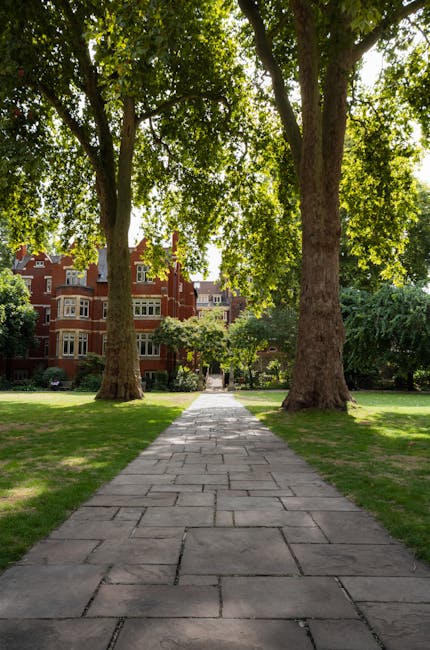
Sloane Street lawn care quotes for Knightsbridge homes

If you live near Sloane Street, you already know the garden story is rarely simple. A neat lawn may look effortless from the pavement, but behind that clean green finish there is trimming, edging, seasonal care, and a fair bit of judgement. That is why Sloane Street lawn care quotes for Knightsbridge homes are worth understanding properly before you book anything. The right quote should do more than give you a number; it should tell you what is included, how often work will be done, and whether the service fits the shape and pace of your garden.
This guide walks you through how lawn care quoting works in Knightsbridge, what affects price, how to compare options without getting lost in vague promises, and what good service looks like in a high-value local setting. We will keep it practical, plain-English, and rooted in real homeowner concerns. No fluff. Just the stuff that helps you make a decent decision.
Why Sloane Street lawn care quotes for Knightsbridge homes Matters
In a place like Knightsbridge, gardens often have to do a lot with a little. Many homes have compact lawns, paved borders, shaded patches, or awkward access. Sometimes the lawn sits in a courtyard that barely gets an honest hour of sun. Sometimes it is part of a larger, more formal garden where everything needs to look composed, almost quietly immaculate. Either way, the quote matters because lawn care is not one-size-fits-all.
A quote is really a snapshot of how a provider sees your garden. Does it include mowing only, or edging and clean-up too? Is it based on one-off work or ongoing maintenance? Will they account for difficult access, waste removal, or a lawn that needs more than a quick cut? Good quotes reduce misunderstanding. Bad ones create it. And in practice, misunderstandings are what make a simple gardening job feel surprisingly messy.
There is another reason this matters. Homes around Sloane Street often need a service that is discreet, reliable, and tidy. Nobody wants a quick visit that leaves clippings on paving, a gate left open, or the lawn looking patchy after a rushed cut. The quote should reflect not just labour, but care. That is the difference between a garden that is technically maintained and one that actually feels looked after.
If you want a broader view of what the company offers beyond lawn work, it can help to look at the services overview and the dedicated garden maintenance page. Those pages are useful for seeing how lawn care fits into the wider picture of seasonal upkeep, hedge work, and general presentation.
How Sloane Street lawn care quotes for Knightsbridge homes Works
Most lawn care quotes follow a fairly similar process, though the detail can vary. In simple terms, the provider wants enough information to judge the size, condition, access, and frequency of the work. You give them the basics. They decide whether a quick estimate is enough or whether they need to visit first. In a high-end local area, a site visit often leads to a more accurate figure. Makes sense, really.
What tends to influence the quote?
- Lawn size: A small front lawn is very different from a larger rear garden.
- Condition: Overgrown grass, moss, bare patches, and uneven growth take more time.
- Access: Narrow side access, shared entrances, and basement garden routes can slow the job.
- Frequency: Weekly, fortnightly, or seasonal visits will usually be priced differently.
- Additional tasks: Edging, leaf clearing, weeding, feeding, or light tidy-ups may be added.
- Waste handling: Grass cuttings may need bagging and removal, depending on the arrangement.
In practice, a quote should clearly say whether it is a one-off visit, a recurring plan, or a first-visit reset followed by maintenance. That distinction matters. A lawn that has been neglected over winter is not the same job as a regularly cut, healthy lawn. The provider should not pretend it is, and you should not have to guess.
For homeowners comparing prices, the pricing and quotes page is a useful place to understand how estimates are normally approached. If your garden needs more than mowing, you may also want to see whether hedge work or clearance will affect the final scope. The pages for hedge trimming and garden clearance are relevant if the lawn is only one part of a broader tidy-up.
Key Benefits and Practical Advantages
A proper lawn care quote gives you more than price transparency. It gives you control. That sounds plain, but it is true. When you understand what is being quoted, you can compare providers fairly, avoid surprise extras, and plan around your own schedule without the usual guesswork.
Here are the most useful advantages:
- Cleaner budgeting: You can see whether the work is likely to be a regular upkeep cost or a one-time restoration task.
- Better comparison: You can compare like with like, rather than a cheap quote that excludes edging against a fuller quote that includes it.
- Less disruption: Clear scope means fewer awkward follow-up calls and fewer "oh, that wasn't included" moments.
- Healthier lawns: A lawn cut too short, too rarely, or at the wrong time can look tired quickly. Proper care protects the finish.
- Sharper presentation: In Knightsbridge, where first impressions matter, neat borders and crisp edges count for a lot.
There is also a quieter benefit: peace of mind. If a provider can explain their quote in a calm, sensible way, that is often a good sign they will approach the work the same way. Gardening is practical work, but it is still a service built on trust. And let's face it, nobody enjoys chasing down vague invoices or trying to decode what "standard tidy-up" actually meant.
Expert summary: A strong lawn care quote should make the job clearer, not more confusing. If the scope, frequency, and finish standard are all easy to understand, you are already in better shape than most homeowners who book on price alone.
Who This Is For and When It Makes Sense
This kind of quote is for anyone who wants a lawn that stays presentable without constant DIY effort. That includes busy professionals, landlords, homeowners with second properties, and residents who simply prefer a garden that is looked after by someone who notices the small things. The small things matter more than people think. A clean edge. A tidy path. Grass clippings not dragged indoors. Tiny details, big effect.
It also makes sense if:
- your lawn has become harder to maintain than it used to be;
- you only need help during spring and summer, or after a period of neglect;
- you want lawn care to sit alongside regular garden maintenance rather than as a one-off fix;
- you are preparing a property for guests, tenants, or sale;
- you need a dependable service with clear communication and predictable visits.
Some gardens around Sloane Street are very much "show gardens" even if they are only a few square metres. Others are more relaxed, but still need to look controlled. Either way, a quote is sensible when you want consistency. If the lawn is being cut every fortnight, for example, it helps to know whether the quote includes edging, debris removal, and an occasional light tidy. The little bits add up.
Step-by-Step Guidance
If you are requesting Sloane Street lawn care quotes for Knightsbridge homes, a structured approach saves time and helps you compare offers properly. Here is the cleanest way to go about it.
- Measure the lawn roughly. You do not need surveyor-level precision. A simple sense of size is enough to begin with.
- Note the current condition. Is it healthy, patchy, overgrown, mossy, shaded, wet, or compacted?
- List access details. Mention side gates, basement stairs, limited parking, or any awkward entry points.
- Decide the service type. One-off cut, seasonal reset, or ongoing maintenance? That choice changes the quote.
- Ask what is included. Mowing only? Edging too? Clipping collection? Light weeding? Be specific.
- Request a written breakdown. This makes it easier to compare offers without relying on memory.
- Check timing and frequency. Weekly or fortnightly visits can be more effective than ad hoc bookings during peak growth.
- Clarify the finish standard. The garden should look cared for, not just "done". That distinction is everything, honestly.
As a practical example, a homeowner with a small rear lawn and a few borders might ask for mowing, edging, and debris removal every two weeks from April through October. A different property might need a one-off restoration after an extended holiday period, plus follow-up maintenance. Those are not the same job, so the quote should not pretend they are. If you feel a provider is compressing everything into one vague line, ask again. Politely, of course, but do ask.
If your garden also needs broader exterior work, services such as landscaping or landscape gardening may be worth discussing alongside lawn care. Sometimes the lawn is the visible symptom, not the whole issue.
Expert Tips for Better Results
A few small decisions can make your quote sharper and your service better. These are the kinds of details that save hassle later.
- Share photos in good light. Morning or late afternoon light often shows the lawn's condition more honestly than a quick indoor snapshot.
- Say if you want a formal finish. Some gardens need crisp, straight edges and a very neat look. Say that early.
- Plan around the growing season. In late spring, lawns can suddenly need more frequent attention. That is normal, not a problem.
- Be clear about grass disposal. Clippings left behind may be fine for some gardens, but not for all.
- Ask how weather affects visits. Wet grass can be trickier to cut cleanly. It helps to know the provider's approach before you need it.
In our experience, the best results come from straightforward communication. Nothing fancy. Just a clear explanation of what the lawn looks like now, what you want it to look like, and how often you want that maintained. The gap between those two things is where the quote lives.
A small but useful tip: if your lawn sits near hard landscaping, decking, or a paved sitting area, ask how the team manages edge protection and clean-up. The pages on decking services and landscaping can help you think through the bigger garden picture, especially where surfaces meet. A good lawn care visit should leave those areas tidy, not flecked with wet cuttings.
Common Mistakes to Avoid
The most common mistake is focusing on the cheapest quote first. It is an easy trap. But a low price without a clear scope can become expensive in the annoying ways: repeat visits, patchy results, or extra charges for things you assumed were included. That sort of thing leaves a sour taste.
Other mistakes worth avoiding:
- Not asking about frequency: A one-off price may look attractive, but it may not suit a lawn that needs regular care.
- Assuming edging is included: It often is not, unless stated clearly.
- Ignoring access issues: Tight access can affect both timing and cost.
- Forgetting seasonal growth: Spring and early summer can change the maintenance rhythm quickly.
- Accepting vague language: Phrases like "general tidy" or "basic garden work" need unpacking.
- Skipping the written quote: A verbal estimate is fine for an early conversation, but written detail is better.
Truth be told, many awkward garden jobs start with a quote that sounded simple and friendly but never quite got specific. Don't be embarrassed to ask follow-up questions. A professional should expect them.
Tools, Resources and Recommendations
You do not need specialist equipment to request a solid quote, but a bit of preparation helps. If you are gathering information before contacting a provider, these are the most useful things to have ready:
- a rough idea of lawn size;
- a few clear photos from different angles;
- notes about shade, slope, moss, or patchy areas;
- details about access, parking, and bin storage;
- your preferred visit frequency;
- any related work such as hedge trimming or clearing leaves.
If you think the garden may need more than mowing, it is often better to bundle the conversation early. The site pages for hedge trimming and garden clearance are useful references for understanding how broader maintenance tasks may be priced or scheduled around the lawn.
For residents who prefer to keep things tidy across the whole garden year-round, regular maintenance usually works better than constant one-off calls. That is why many homeowners move from occasional mowing to a more complete maintenance plan after the first season. It just feels calmer, and the garden looks less like it is playing catch-up all the time.
Law, Compliance, Standards and Best Practice
For lawn care in a private home, the main concerns are less about specialist regulation and more about sensible professional standards. A trustworthy provider should work safely, respect property boundaries, manage waste responsibly, and communicate clearly. That sounds basic, but basic done well is often what people are actually paying for.
In a professional setting, good practice usually includes:
- using suitable equipment for the lawn condition;
- checking for hazards before cutting;
- handling tools and machines responsibly;
- protecting hard surfaces and planted areas where possible;
- keeping pathways tidy and free of obvious debris;
- being honest about what can and cannot be achieved in one visit.
If safety and insurance matter to you - and they should - it is sensible to review the company's insurance and safety information and its health and safety policy. These pages help set expectations around responsible working methods. For families, landlords, and busy households, that extra clarity is reassuring. It also tells you the business takes the boring-but-important side of the job seriously. Which, to be fair, is exactly what you want.
Environmental care can matter too. Grass clippings, pruning waste, and general green waste should be handled thoughtfully, especially where repeated visits are involved. If sustainability matters to you, the company's recycling and sustainability information is worth a look. It is a good sign when a provider thinks about the end of the job as carefully as the start.
Options, Methods and Comparison Table
Not every quote is asking the same question. Some are for quick mowing, some for full maintenance, and some for a rescue job on a lawn that has been left a little too long. Comparing the methods side by side can save a lot of confusion.
| Quote type | Best for | What is usually included | Watch out for |
|---|---|---|---|
| One-off mowing quote | Quick tidy, short-term need, pre-event prep | Cutting, basic tidy-up, maybe edge finishing | May exclude clippings removal or border work |
| Regular maintenance quote | Homes that want consistent presentation | Scheduled mowing, edging, light seasonal checks | Needs clarity on visit frequency and seasonal changes |
| Restoration or reset quote | Overgrown or neglected lawns | Longer first visit, cutback, tidy, possible follow-up plan | Often priced differently from standard maintenance |
| Combined garden quote | Larger gardens with several maintenance needs | Lawn care plus hedges, clearance, or broader upkeep | Needs clear division between each task |
If you are unsure which type applies to your garden, start with the maintenance question rather than the mowing question. In other words: what does this lawn need over the next three months, not just this Tuesday? That shift in thinking usually leads to a better quote.
Case Study or Real-World Example
Here is a realistic example. A homeowner near Sloane Street had a small rear lawn that looked fine from a distance but had become uneven, with thin patches under a tree and thicker growth near a sunny edge. There were also narrow side access points and a few paving stones that collected clippings if the cut was rushed. Not dramatic. Just fiddly.
The first quote was low, but it only covered mowing. No edging, no tidy-up, no mention of clippings. The second quote was slightly higher, but it included a proper first visit, a cleaner finish, and a maintenance plan for the growing season. Once the homeowner compared them properly, the second option made more sense. Not because it was fancier. Because it was clearer.
After the first visit, the lawn looked more even, the borders were sharper, and the garden felt calmer overall. A small change, but a meaningful one. That is often how lawn care works in Knightsbridge homes. The value is not always dramatic. It is cumulative. Week by week, the space starts to behave itself.
This is also where linked services can matter. If the garden has tired edges, a little structural work, or overgrown sections, lawn care alone may not solve the whole picture. In those cases, exploring landscape gardening or more general garden maintenance can create a more coherent result.
Practical Checklist
Use this quick checklist before you approve any quote. It keeps the decision grounded and helps you compare like for like.
- Have I described the lawn's size and current condition clearly?
- Do I know whether edging is included?
- Is clippings removal included or extra?
- Have I asked whether the quote is for one visit or recurring care?
- Are access and parking issues mentioned?
- Is there a written breakdown of what is included?
- Have I checked safety and insurance information?
- Does the provider explain how seasonal growth affects frequency?
- Do I understand what would change the price later?
- Does the service feel suitable for a Knightsbridge home, not just any home?
If you can tick most of those boxes, you are in a good place. If not, it is worth asking a few more questions before you commit.
Get a free quote today and see how much you can save.
Conclusion
Sloane Street lawn care quotes for Knightsbridge homes are really about clarity, not just cost. The best quote shows you what work is being done, how often it will happen, and what standard of finish you can expect. That matters because gardens in this part of London often need a little more thought, a little more discretion, and a lot less guesswork.
Once you know what to ask for, comparing quotes becomes much easier. You stop looking for the cheapest number and start looking for the right fit. That shift alone can save time, reduce stress, and leave your garden looking quietly better all season long.
And honestly, there is something reassuring about that. A well-kept lawn is not loud about it. It just sits there, looking calm and ready, which is often exactly what a home needs.
Frequently Asked Questions
What should be included in a lawn care quote for a Knightsbridge home?
A good quote should state what the provider will do, how often they will do it, and whether edging, clippings removal, and tidy-up are included. If anything is unclear, ask for a written breakdown.
Are Sloane Street lawn care quotes usually for one-off visits or regular maintenance?
They can be either. Many homeowners begin with a one-off visit, then move to regular maintenance once they see what the lawn needs through the season.
Why do some lawn care quotes cost more than others?
Price usually depends on lawn size, access, current condition, frequency of visits, and whether extra tasks are included. A cheaper quote is not always better if it leaves out important work.
Should I send photos before asking for a quote?
Yes, photos are very helpful. They give the provider a clearer sense of the lawn's condition, access points, and any awkward details that affect the job.
Does a lawn care quote include waste removal?
Not always. Some quotes include bagging or removal of clippings, while others treat it as an extra. It is best to ask directly rather than assume.
How often should a lawn be maintained during the growing season?
That depends on the lawn, the weather, and the garden's use. In spring and early summer, many lawns need more frequent attention than they do in cooler months.
What if my lawn is overgrown or patchy?
Then you may need a restoration or reset quote rather than a standard mowing quote. Overgrown lawns often take longer and may need a follow-up maintenance plan.
Can lawn care be combined with hedge trimming or garden clearance?
Yes, and in many gardens that makes sense. If borders, hedges, or clutter are affecting the overall look, a combined visit may be more efficient. The hedge trimming and garden clearance pages can help you think about those options.
What should I ask before agreeing to a quote?
Ask what is included, whether the quote covers one visit or recurring work, how waste is handled, and what happens if access is difficult or the lawn needs more time than expected.
How do I know if a lawn care provider is trustworthy?
Look for clear communication, a sensible explanation of the quote, and straightforward information about safety and insurance. A provider that answers questions patiently is usually a good sign.
Is regular garden maintenance better than occasional mowing?
For many Knightsbridge homes, yes. Regular maintenance keeps the lawn in steadier condition and avoids the stop-start cycle that can make a garden feel tired. It also tends to give a more polished finish over time.
Where can I learn more before requesting a quote?
The most useful starting points are the pricing and quotes page, the lawn mowing page, and the broader services overview. Those pages help you understand how the service is structured before you make a decision.